Gen AI and Technical: Transforming the Future of Work
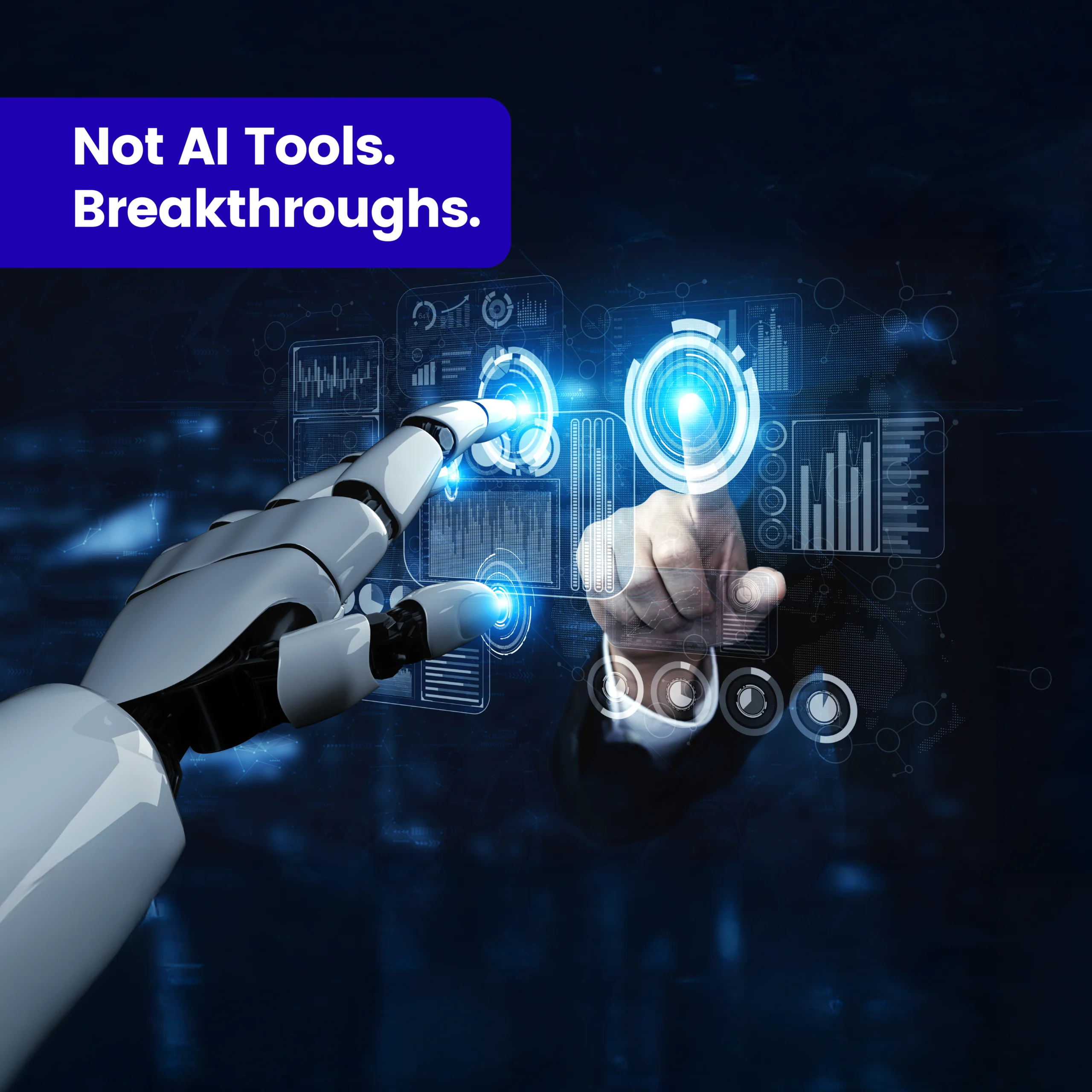
The rapid evolution of technology is reshaping industries across the globe, and nowhere is this more evident than in the rise of Gen AI and technical capabilities. Organisations are no longer just looking for employees who can execute tasks they want professionals who can leverage generative AI and technical tools to innovate, solve problems, and drive business growth.
In this article, we will explore the significance of Gen AI and technical skills, how they are impacting the workplace, and why professionals need to embrace them to remain future-ready.
What Are Gen AI and Technical Skills?
Gen AI refers to generative artificial intelligence systems capable of producing content, ideas, or solutions based on existing data. This includes AI models that can write, design, analyse, and even code.
Technical skills, on the other hand, are the practical competencies needed to operate, implement, and optimise these AI systems. They include coding, data analysis, machine learning, cloud computing, and cybersecurity.
When combined, Gen AI and technical skills empower employees to not only understand AI but also apply it effectively in their roles. According to insights from the World Economic Forum’s Future of Jobs Report (https://www.weforum.org/reports/the-future-of-jobs-report-2023/), roles requiring AI and technical literacy are expected to grow significantly across industries such as finance, healthcare, marketing, and manufacturing.
Why Gen AI and Technical Skills Are Essential
1. Accelerating Productivity
Generative AI tools can automate repetitive tasks, such as data entry, report generation, and customer support responses. When paired with technical know-how, professionals can customise these AI solutions to fit their organisation’s unique needs, significantly boosting productivity.
- Example: Marketing teams can use AI to draft content ideas, leaving more time for strategic planning and creative execution.
- Example: Financial analysts can generate predictive models faster, improving decision-making accuracy.
2. Driving Innovation
Innovation thrives when employees combine creativity with technical expertise. Gen AI and technical capabilities allow teams to experiment with new products, optimise workflows, and uncover insights that would otherwise remain hidden.
- Example: Engineers can use AI-driven simulations to design new materials.
- Example: Customer service teams can implement AI chatbots that learn from interactions and continuously improve.
Thought leaders at Harvard Business Review have also highlighted how generative AI is transforming work and enabling new forms of innovation (https://hbr.org/2023/03/how-generative-ai-is-changing-work).
3. Future-Proofing Careers
As AI adoption grows, employees lacking Gen AI and technical skills risk falling behind. Professionals who embrace these tools position themselves as indispensable assets, capable of navigating technological change with confidence.
Integrating Gen AI and Technical Skills in the Workplace
Step 1: Assess Current Skill Levels
Before implementing AI solutions, organisations should evaluate their team’s technical proficiency. This helps identify gaps and informs targeted training programs.
Step 2: Provide Hands-On Training
Theoretical knowledge is not enough. Employees need practical experience using AI tools and technical platforms. Workshops, simulations, and project-based learning can accelerate skill acquisition.
Step 3: Encourage Cross-Functional Collaboration
AI projects often require input from multiple departments. Encouraging collaboration between technical experts and business professionals ensures that AI solutions are practical, ethical, and aligned with business objectives.
Step 4: Promote Continuous Learning
The AI landscape evolves rapidly. Organisations must foster a culture of lifelong learning, encouraging employees to stay updated on the latest Gen AI and technical trends.
Real-World Applications of Gen AI and Technical Skills
- Healthcare: AI-powered diagnostic tools help doctors predict diseases, while technical teams ensure the models run accurately and securely.
- Finance: AI algorithms analyse market trends to inform investment decisions, supported by technical teams managing the underlying infrastructure.
- Marketing: Generative AI creates personalised content for campaigns, while technical skills ensure scalability and integration with CRM systems.
- Manufacturing: AI-driven predictive maintenance reduces downtime, enabled by technical teams monitoring IoT devices and data pipelines.
These examples highlight that Gen AI and technical skills are not just futuristic concepts—they are practical, transformative tools already shaping industries.
FAQs About Gen AI and Technical Skills
Q1: What is the difference between Gen AI and general AI?
A1: Gen AI specifically refers to AI that can generate new content or solutions, whereas general AI is a broader term that includes all AI systems, including analytical or predictive models.
Q2: Do I need to be a programmer to leverage Gen AI tools?
A2: Not necessarily. Many AI tools are user-friendly, but having technical skills enhances your ability to customise, integrate, and optimise AI solutions.
Q3: How can organisations encourage employees to develop these skills?
A3: By offering hands-on training, promoting cross-functional projects, and fostering a culture of continuous learning and experimentation.
In a world where technology evolves faster than ever, Gen AI and technical skills are no longer optional they are essential for both professionals and organisations. By embracing these capabilities, employees gain confidence, organisations boost efficiency, and businesses unlock innovation potential.
Start investing in your skills today to ensure you are future-ready and able to thrive in an AI-driven workplace.
Explore our Gen AI and technical training resources to begin your journey toward a future-proof career.